




Los Angeles Employment Attorneys




Record of Winning We Don’t Just Take On Industry Giants—We Defeat Them.
The truth is, when workers face corporations alone, the odds are overwhelmingly stacked against them. That’s where KSJM comes in. We don’t just amplify workers’ voices—we give them firepower to strike back. With over three decades of experience as one of California’s most savage employment law firms, we’ve built a legacy of leveling the playing field and delivering justice.
Over 1000 Successful Cases

Over $250 Million Recovered for Our Clients
Over 100 Years Combined Experience
Staggering 99.8% Trial Win Rate


Every Type of Employment Law Case Ensuring Your Employee Rights
Discrimination Cases
Workplace discrimination of any kind, intentional or not, is illegal. Our discrimination lawyers defend employees’ rights across all industries.
Harassment Cases
Every employee deserves a safe, welcoming workplace. When harassment occurs due to gender, race, age, or nationality, our attorneys are here to help.
Whistleblower Cases
Whistleblower laws protect employees who expose illegal actions from retaliation like firing or harassment. If your employer retaliates, KSJM will defend your rights.
Executive Employee Issues
We provide strategic advice and counseling for high-stakes employment issues such as employment agreements, equity, non-competes, severance and more.

Class Action Lawsuits
When multiple employees face similar workplace violations, a class action lawsuit can hold employers accountable, no matter the size of the company.

Wage and Overtime Claims
You don’t have to stay silent while your employer violates wage and hour laws. The law protects employees from wage theft, and KSJM will ensure your voice is heard.

Wrongful Termination
If you’ve been wrongfully terminated due to discrimination, retaliation, or exercising your legal rights, KSJM will defend you and help you recover compensation.

Family & Medical Leave Act
Employees have the right to take medical or family leave under FMLA without fear of losing their job. If you’ve been denied or retaliated against, KSJM can help.

Domestic Worker's Rights
KSJM advocates for domestic workers who suffer wage theft, harassment, or unsafe working conditions. You deserve fair pay, safety, and respect in the workplace.

Client Testimonials Results for California Employees

Good Representation Levels the Playing Field
The Top Employment Law Attorneys Los Angeles
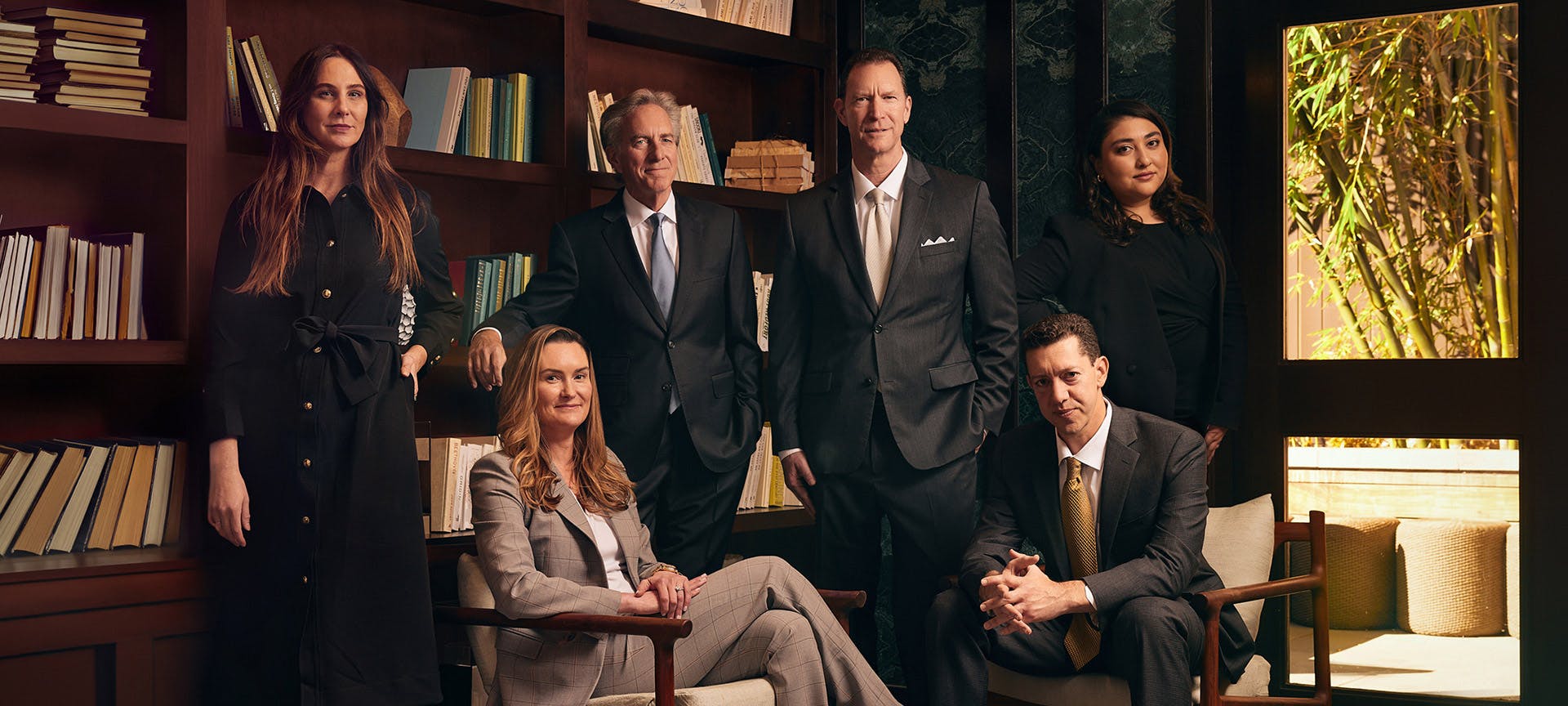
Meet the Firm
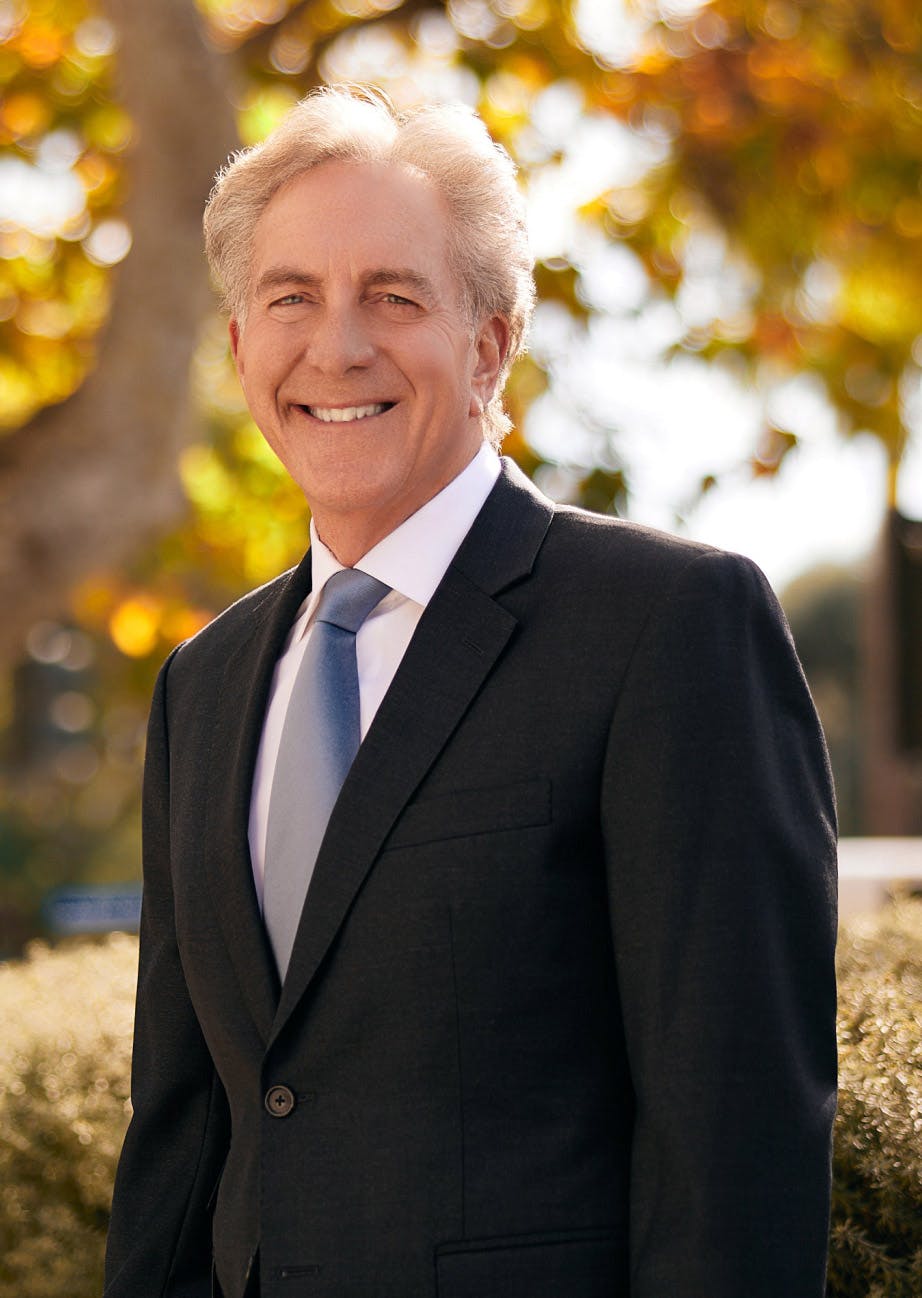
Meet Our Attorneys Brian S. Kesluk
For over two decades, Brian S. Kesluk has successfully represented defendants in cases including harassment claims, discrimination cases, and wage and overtime disputes. Brian is a contributing member of the LA County Bar Association, the California Employment Lawyers Association and the Consumer Attorneys Associations of both California and Los Angeles.
Member of the Million-Dollar Advocates Forum
Admitted to practice before all state and federal courts throughout California

Meet Our Attorneys Douglas N. Silverstein
As a founding partner of Kesluk, Silverstein, Jacob & Morrison, P.C., Douglas N. Silverstein has devoted more than a quarter century to labor and employment cases. He leads the firm’s trial, labor and employment, and class action efforts. Doug has been recognized by fellow attorneys and the national news media as an employment law expert. He regularly writes and lectures on labor issues.
Chair of the Los Angeles County Bar Association (LACB) Litigation Section Executive Committee
President of the Consumer Attorneys Association of Los Angeles (CAALA) in 2022

Meet Our Attorneys Catherine J. Roland
Catherine Jean Roland is an accomplished litigator and trial attorney licensed in California and Illinois. With extensive experience advocating for employees in wrongful termination, discrimination, harassment, and retaliation cases, she has secured multiple six- and seven-figure settlements, including a $1.2 million verdict in a disability discrimination trial. Catherine leverages her experience representing employers to passionately defend employee rights.
Recognized as a Rising Star by Super Lawyers magazine
Member of the League of Women’s Voters, National Employment Lawyers Association, and Women’s Bar Association

Meet Our Attorneys Michael G. Jacob
Over the past decade, Michael has successfully represented employees involved in all aspects of employment litigation. In the past few years, Michael received considerable recognition for his legal achievements, including a Commendation from the Lancaster Mayor for outstanding accomplishment. He is a member of the California Employment Lawyers Association and the Consumer Attorneys Association of Los Angeles.
Winner of the prestigious Rising Star Award from Super Lawyers magazine
Selected as a Super Lawyer for the past 11 years
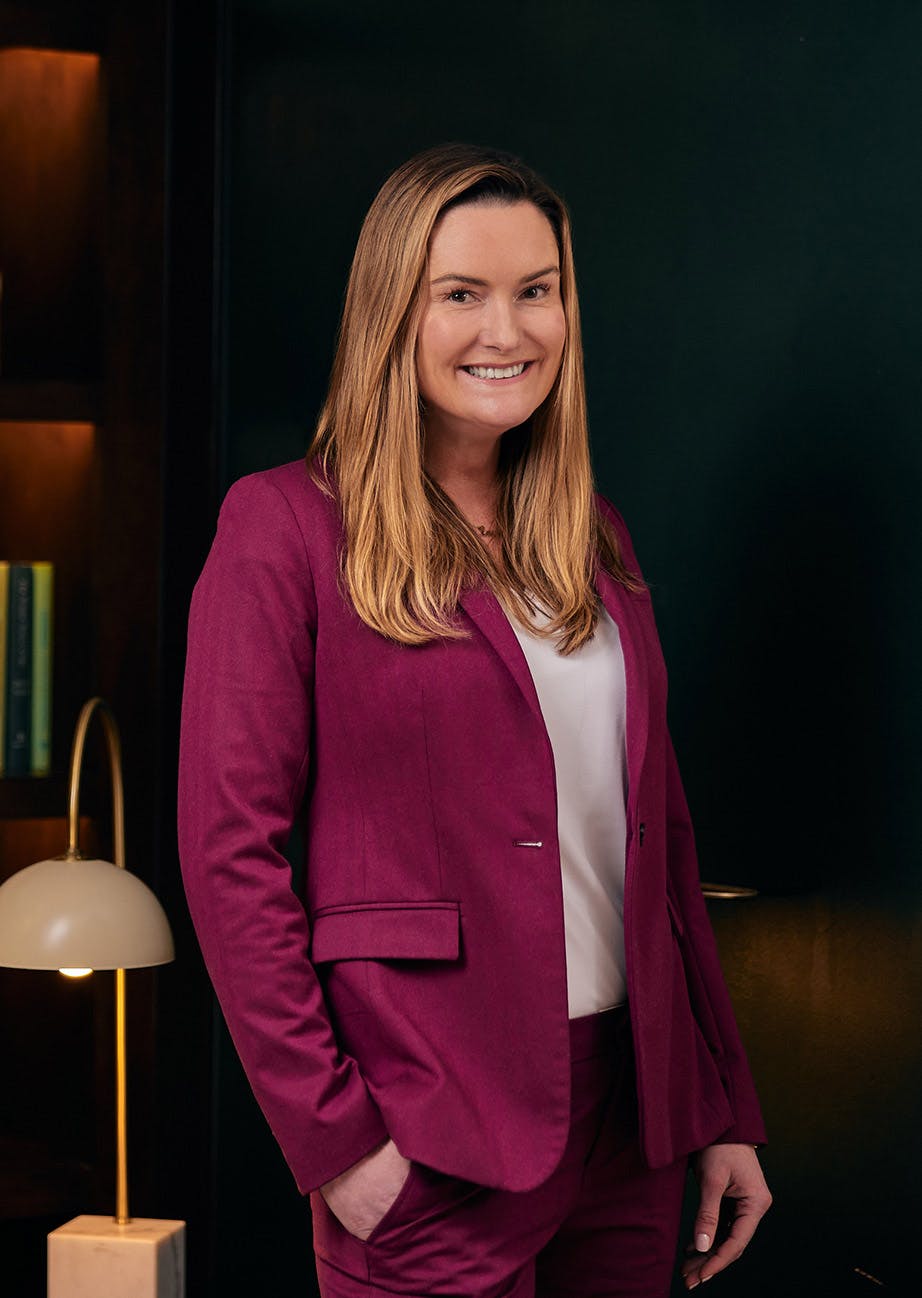
Meet Our Attorneys Lauren Morrison
Throughout her entire career, Lauren Morrison has devoted herself to protecting the rights of those who cannot protect themselves. Lauren specializes in labor and employment law and has litigated hundreds of cases in this field. Lauren has achieved numerous six and seven-figure settlements for employees who have suffered discrimination, harassment, wrongful termination, and retaliation.
A top woman attorney recognized as a Southern California Rising Star by Super Lawyers magazine
Named a Rising Star for labor and employment litigation by Super Lawyers magazine
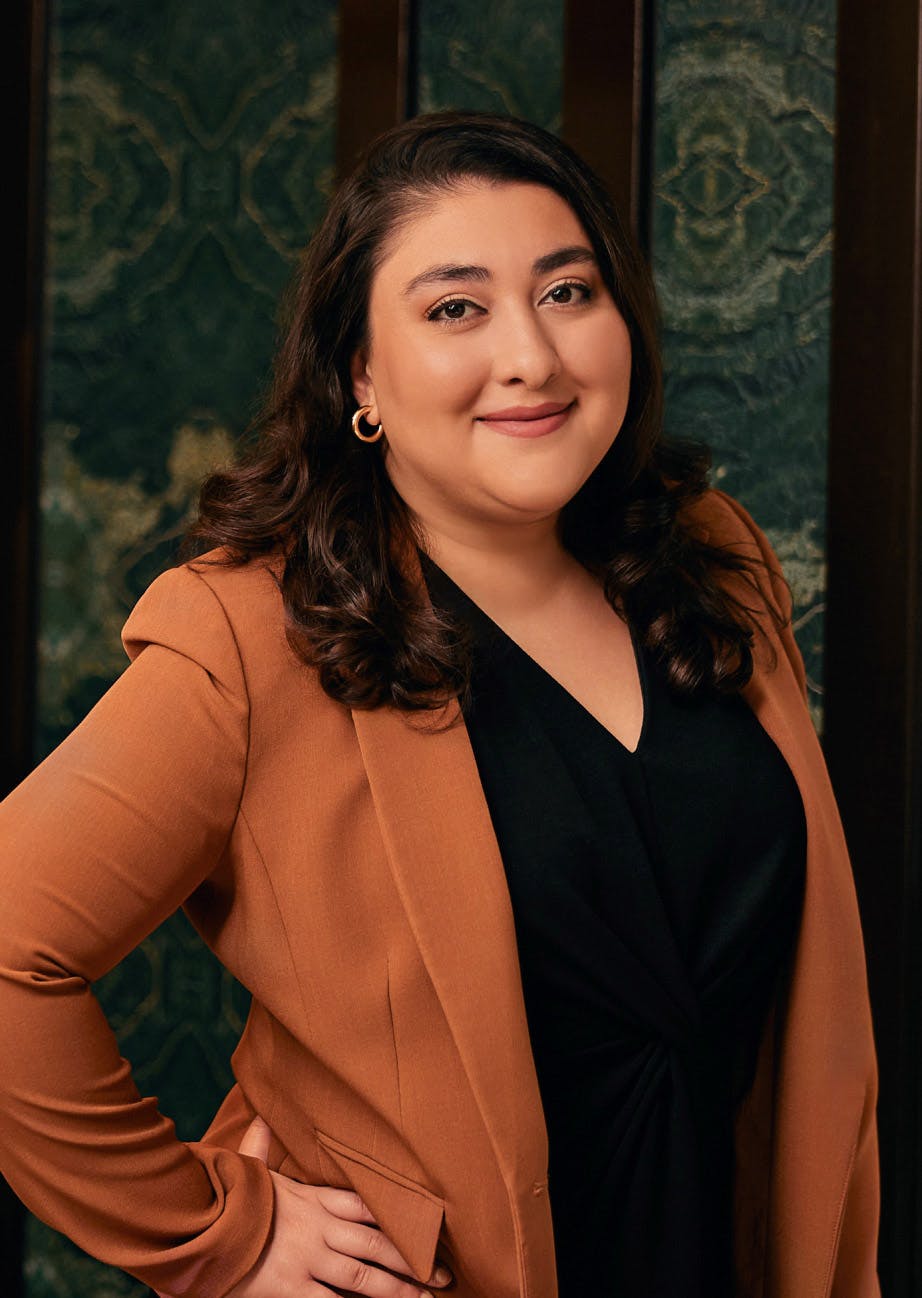
Meet Our Attorneys Niki Akhaveissy
Niki Akhaveissy is an associate attorney licensed in California and Texas. Before joining KSJM, Niki represented survivors of sexual assault and intimate partner violence in civil legal matters at one of the nation’s largest legal aid organizations. With substantial trial and courtroom experience, she is deeply committed to understanding and addressing her clients’ unique needs with compassion and care.
Served as the Chief Justice of the Child Advocacy Clinic in Law School
Fluent in Farsi


Some Things You Must Know How to Handle Your Employment Claim
If you’re dealing with an employment issue, it’s important to act quickly. California’s strict deadlines mean you don’t have time to wait to start the claims process. Reach out to Kesluk, Silverstein, Jacob, & Morrison to schedule your free consultation—we will help you determine if you have a valid claim against your employer.
Landmark Verdicts
The KSJM Employment Law Update
Whistleblowing

Jul
24,
2024
What If an Employer Asks You to Commit a Crime?
Employment Laws

Jul
24,
2024
Looking For An Employment Attorney In Los Angeles, CA?
Employment Laws

Jul
24,
2024
What Does An Employment Lawyer Do?
Workplace Discrimination

Jul
24,
2024
I Was Treated Unfairly At Work – Do I Have A California Employment Law Case?
Employment Laws

Jul
24,
2024
Meet Employment Litigation Lawyer In Los Angeles Michael Jacob
Sexual Harassment

Jul
24,
2024
Sexual Harassment Attorney Answers: Can I Keep My Job?
Employment Laws

Jul
24,
2024
Meet California Employment Attorney Brian Kesluk- 35+ Years’ Experience
Employment Laws

Jul
24,
2024
Why Do Other Attorneys Refer Employment Law Cases To Your Firm?
Employment Laws

Jul
24,
2024
How An Employment Lawyer Can Help Workers With Job Disputes
Sexual Harassment

Jul
24,
2024